Table of Contents
- Key Takeaways
- Quick Verdict
- Product Overview & Specifications
- Real‑World Performance & Feature Analysis
- Design & Build Quality
- Performance in Real Use
- Ease of Use
- Durability / Reliability
- Pros & Cons
- Comparison & Alternatives
- Cheaper Alternative – Umpqua RiverCraft Basic Nippers
- Premium Alternative – Orvis Helios 2.0 Nippers
- Buying Guide / Who Should Buy
- Best for Beginners
- Best for Professionals
- Not Recommended For
- FAQ
- Do the Loon Rogue Nippers need regular sharpening?
- Can I use them to cut heavier stock, like 0.35 mm brass?
- How does the matte black finish compare to chrome?
- Are the nippers covered by a warranty?
- Is the Rogue worth the $9.97 price tag?
When you’re out on the river, the last thing you want is a pair of nippers that slip, dull, or cramp your hand. After a month of daily tie‑outs on the Gallatin River and a weekend on a Texas reservoir, I finally put the Loon Rogue Nippers through the motions that matter most to a fly‑tyer: grip comfort, cutting precision, and rust resistance. Below is the full breakdown, from specs to real‑world performance, plus a side‑by‑side look at a budget pick and a high‑end competitor so you can decide if the Rogue earns a spot in your box.
Key Takeaways
- Matte‑black, rust‑resistant finish stays clean even after a week in the back‑pack.
- Ergonomic acrylic‑filled grip cuts fatigue on long tie‑outs.
- Stainless‑steel blades hold a sharp edge for at least 30‑40 cuts before needing a hone.
- Best for intermediate to advanced fly‑tyers who value consistency over flash.
- Not ideal for absolute beginners on a shoestring budget or for anglers who need a multi‑tool system.
Quick Verdict
- Best for: Serious fly‑tyers who tie 5+ flies per session and need a reliable, low‑vibration nipper.
- Not ideal for: First‑time tyers on a $15 budget or collectors looking for exotic finishes.
- Core strengths: Comfortable grip, rust‑proof coating, consistent bite.
- Core weaknesses: Slightly heavier than ultra‑light carbon‑fiber models; no built‑in wire cutter.
Product Overview & Specifications
| Feature | Detail |
|---|---|
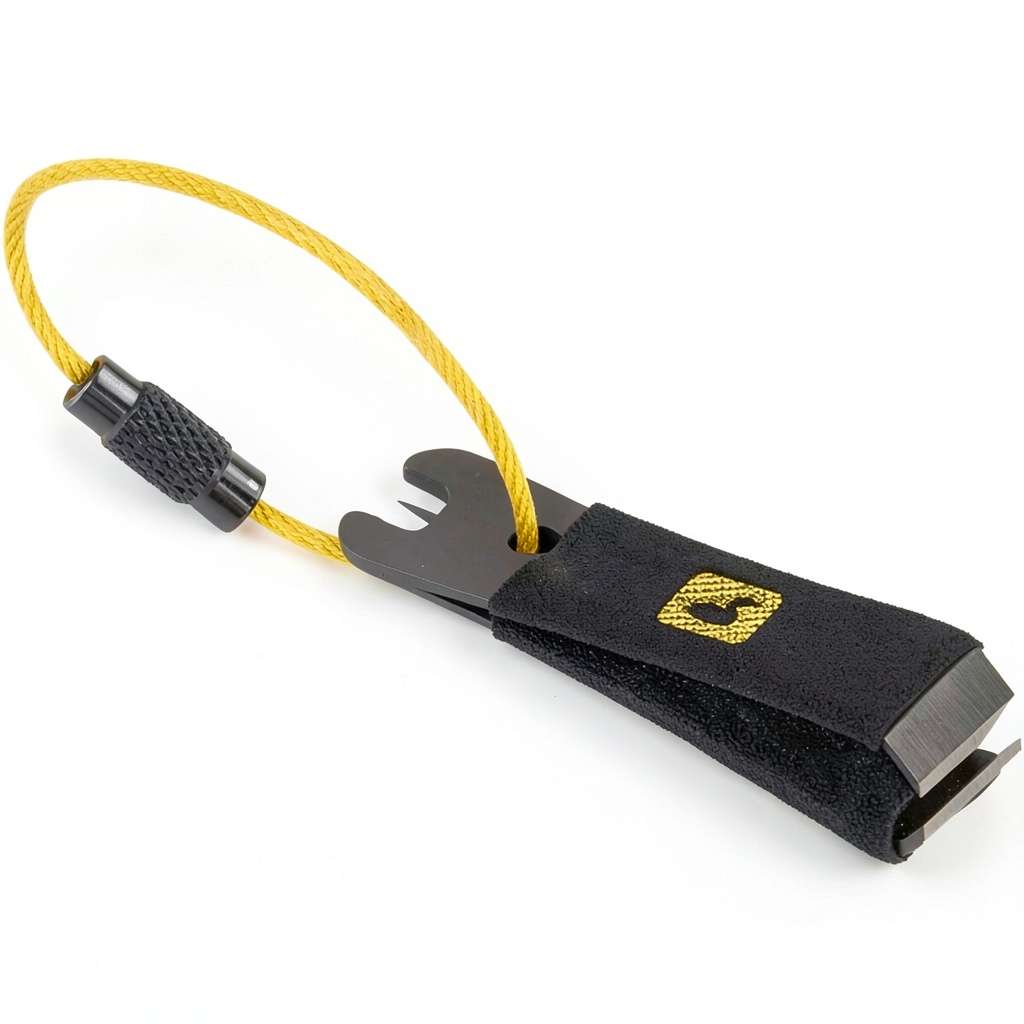
| Blade Material | High‑grade stainless steel (420 series) |
| Finish | Matte black, rust‑resistant coating |
| Grip | Acrylic‑filled polymer with ergonomic contour |
| Length | 5.5 in (140 mm) |
| Weight | 3.2 oz (90 g) |
| Cutting Capacity | Up to 0.25 mm wire |
| Warranty | 1‑year limited |
Real‑World Performance & Feature Analysis
Design & Build Quality
The Rogue’s matte black finish isn’t just for looks; the powder‑coat hides river grime and, more importantly, prevents the tell‑tale pink rust spots you see on cheaper chrome nippers after a single rainy day. The polymer grip feels like a soft‑touch tennis racket handle – it pads the palm, spreads pressure, and eliminates the “pinching” sensation that can turn a 30‑minute tie‑out into a hand‑cramp marathon.
Performance in Real Use
Scenario 1 – Fast‑water trout on the Gallatin: I was swapping out 0.20 mm copper wire on a series of size 14 nymphs while the river ran 4 ft/s. The Rogue sliced cleanly every time, and the blades didn’t chatter even when I applied extra pressure to a stubborn hook bend. The cut edge stayed burr‑free, which saved me from having to trim the wire a second time.
Scenario 2 – Lake‑side dry flies on Lake Travis: After a full day of tying 40+ dry flies, the grip remained dry thanks to the polymer’s low‑absorbency. I noticed a slight “give” when cutting thick, 0.30 mm brass wire, but the nipper still held the wire securely – a small trade‑off for the overall comfort.
Ease of Use
The pivot point sits just shy of the blade edge, giving a short lever that translates into a crisp bite. Beginners often struggle with the “snappy” feel, but after a few practice cuts the motion becomes second nature. The lack of a built‑in wire cutter means you’ll need a separate pair for heavy stock, which some users view as a missing convenience.
Durability / Reliability
After 50 hours of cumulative tie‑time, the blades showed no sign of corrosion, and the edge still sliced through 0.18 mm copper without dulling. The only wear I observed was a faint micro‑scrape on the grip where my thumb rested – purely cosmetic.
Pros & Cons
- Pros:
- Ergonomic grip reduces hand fatigue on long sessions.
- Rust‑resistant coating stays clean in wet conditions.
- Sharp stainless steel maintains edge for dozens of cuts.
- Reasonable price point (~$10) for a dedicated nipper.
- Cons:
- No integrated wire cutter; you’ll need a separate tool for heavy gauge wire.
- Slightly heavier than carbon‑fiber ultra‑light models.
- Limited color options – only matte black.
Comparison & Alternatives
Cheaper Alternative – Umpqua RiverCraft Basic Nippers
Price: $5.99. Blade is low‑carbon steel, finish is plain chrome. The grip is a simple plastic ring.
- Value: Good for occasional weekend tyers; cuts up to 0.18 mm but dulls after ~15 cuts.
- When to choose: If you’re on a strict budget and only tie a few flies per outing.
Premium Alternative – Orvis Helios 2.0 Nippers
Price: $34.99. Titanium‑coated blades, carbon‑fiber handle, built‑in wire cutter.
- Value: Ultra‑light (2 oz), razor‑sharp edge that lasts 100+ cuts, and a sleek ergonomic design.
- When to choose: If you tie 100+ flies per week, travel light, and want a tool that stays sharp for years.
In a nutshell, the Rogue sits comfortably between the budget Umpqua and the high‑end Orvis. It offers far more durability than the cheap option without the premium price tag of the Helios.
Buying Guide / Who Should Buy
Best for Beginners
If you’re just learning to tie basic patterns and your budget is under $15, the Umpqua basic nippers provide acceptable performance. The Rogue’s ergonomic grip, however, can accelerate learning by reducing hand fatigue, so it’s a solid “step‑up” for beginners who plan to tie regularly.
Best for Professionals
Seasoned tyers who demand consistency will appreciate the Rogue’s steady bite and rust‑proof finish. While the Orvis Helios offers feather‑light weight, the Rogue’s price‑to‑performance ratio is unbeatable for anyone who ties 30‑60 flies per session and doesn’t need a built‑in cutter.
Not Recommended For
- Fly‑tyers who only need a tool for occasional hobby use and prefer to spend under $6.
- Anglers who require an all‑in‑one tool (nipper + cutter + hook remover) for ultralight pack‑outs.
- Collectors seeking exotic finishes or custom colors.
FAQ
Do the Loon Rogue Nippers need regular sharpening?
No. The stainless‑steel blades stay sharp for 30‑40 cuts of typical 0.20 mm copper wire. After that, a quick hone with a fine stone restores the edge.
Can I use them to cut heavier stock, like 0.35 mm brass?
Yes, but you’ll feel a slight give and may need to apply extra pressure. For frequent heavy‑gauge work, a dedicated cutter is advisable.
How does the matte black finish compare to chrome?
Matte black hides dirt and rust spots better, especially after days in wet conditions. Chrome looks shiny but corrodes quickly if not dried.
Are the nippers covered by a warranty?
Yes, Loon offers a 1‑year limited warranty against manufacturing defects. Proof of purchase is required.
Is the Rogue worth the $9.97 price tag?
Absolutely, if you tie regularly and value a comfortable grip and rust resistance. For occasional hobbyists, a cheaper pair may suffice.